



Christian Horner questions Red Bull’s “Maverick” identity under Laurent Mekies
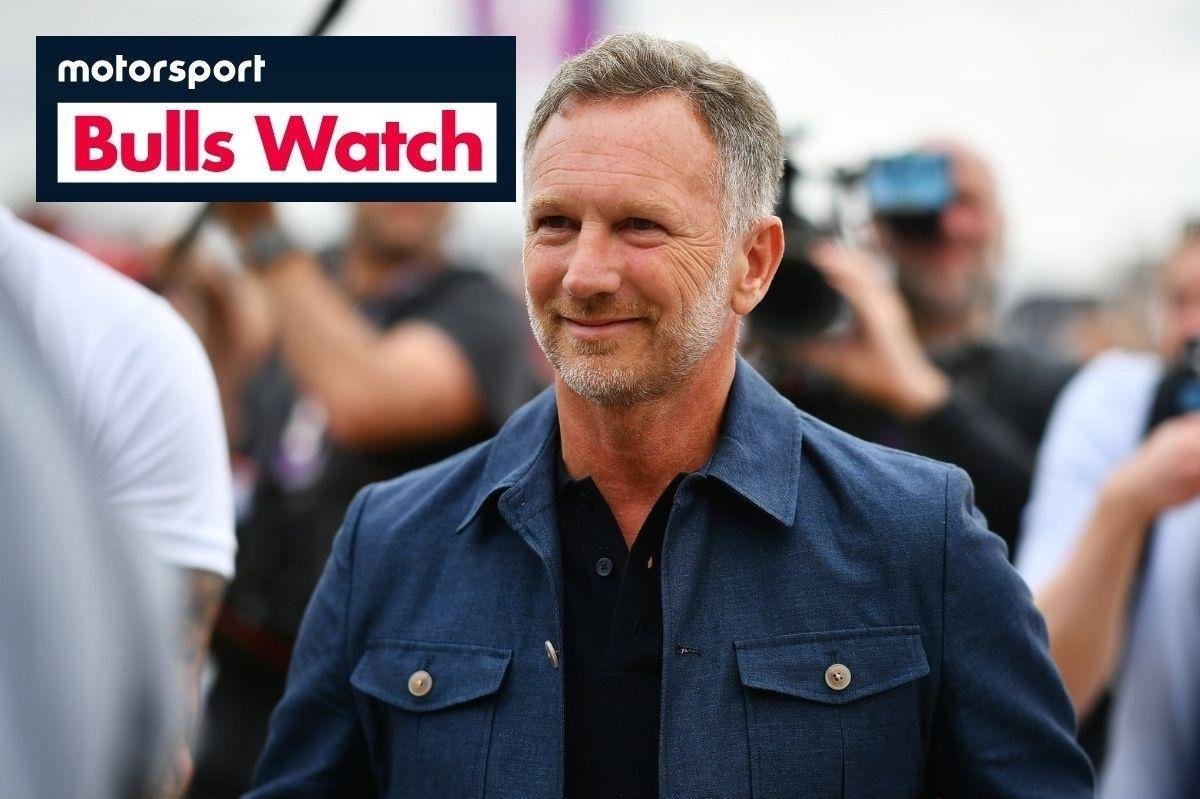
For two decades, Red Bull Racing defined itself as Formula 1’s anti-establishment disruptor. Founded by the late Austrian billionaire Dietrich Mateschitz and run with an iron fist on the pitwall by Christian Horner, the Milton Keynes squad prided itself on doing what traditional manufacturers deemed impossible: culminating in the audacious creation of Red Bull Powertrains in 2021.
However, more than a year after his ruthless sacking in July 2025, Horner has delivered a pointed critique of the team’s current identity. Speaking to The Guardian, the former team principal suggested that the nonconformist DNA that propelled Red Bull to 14 world championships has eroded under corporate CEO Oliver Mintzlaff and his pitwall successor, Laurent Mekies.
During his tenure, Horner frequently clashed with corporate hierarchies and rival bosses, leaning into the narrative of a privateer energy drink company taking on heritage automotive titans. Looking at the organisation today, Horner believes that edge has significantly dulled.
"Red Bull has been the maverick team. It's pushed the boundaries," Horner stated. "Only Red Bull would do something crazy enough to build a new engine as a subsidiary of a fizzy drinks manufacturer. Its mantra was to be nonconformist, to be a disrupted. It's a little different now."
Max Verstappen, Red Bull Racing, Christian Horner, Red Bull Racing
Photo by: Mark Thompson - Getty Images
The shift reflects the stark contrast between Mateschitz’s hands-off, total-trust backing of Horner and the more centralised, board-driven structure Mintzlaff enacted after Mateschitz's death in late 2022. Without a single figurehead running both sporting and commercial operations with full autonomy, the team’s identity has shifted from an agile insurgent to a sanitised corporate operation.
Horner’s critique became even sharper when pressed on the internal power dynamics currently governing the garage. Asked directly who actually holds the reins of the team today—Mekies, his former sporting director, whom he hired into the Red Bull ecosystem, or four-time champion Max Verstappen—Horner’s reaction was telling.
"I'm not getting drawn into that," Horner laughed before offering a carefully calibrated non-endorsement. "Ultimately Oliver Mintzlaff is the most senior guy, and obviously Max is a massive asset. I employed Laurent, but I can't judge how he operates."
Max Verstappen, Red Bull Racing, Laurent Mekies, Red Bull Racing Team Principal
Photo by: Joe Portlock / Getty Images
By bypassing Mekies’ authority on the pitwall to highlight Mintzlaff’s corporate seniority and Verstappen’s sheer organisational leverage, Horner’s comments subtly reinforce suspicions that the current team principal lacks the unilateral decision-making power Horner wielded for 20 seasons.
Compounding the tension is Red Bull's recent technical resurgence. With Verstappen capturing victories in Bahrain and Singapore in a car powered by the team’s first fully in-house engine, the fruits of Horner’s final major project are finally being realised—without him in the garage.
While Horner revealed that Mintzlaff reached out to acknowledge his foundational role, the emotional sting remains raw.
Max Verstappen, Red Bull Racing
Photo by: Jayce Illman / Getty Images
"I now have a reasonable relationship with Oliver Mintzlaff. He rang the other day and thanked me for all I'd done for the engine," Horner noted. Yet, he conceded: "I felt particularly hurt and robbed I didn't have the opportunity to see that Powertrains engine win."
As Red Bull navigates the closing rounds of the 2026 campaign locked in a fierce fight to somehow stay ahead of Ferrari and Mercedes, Horner’s assessment leaves a lingering question over Milton Keynes: can a corporatised Red Bull sustain championship dominance without the ruthless, disruptive attitude that built it?
What would you like to see on Motorsport.com?
- The Motorsport.com Team
.png)



.png)
 (1).png)